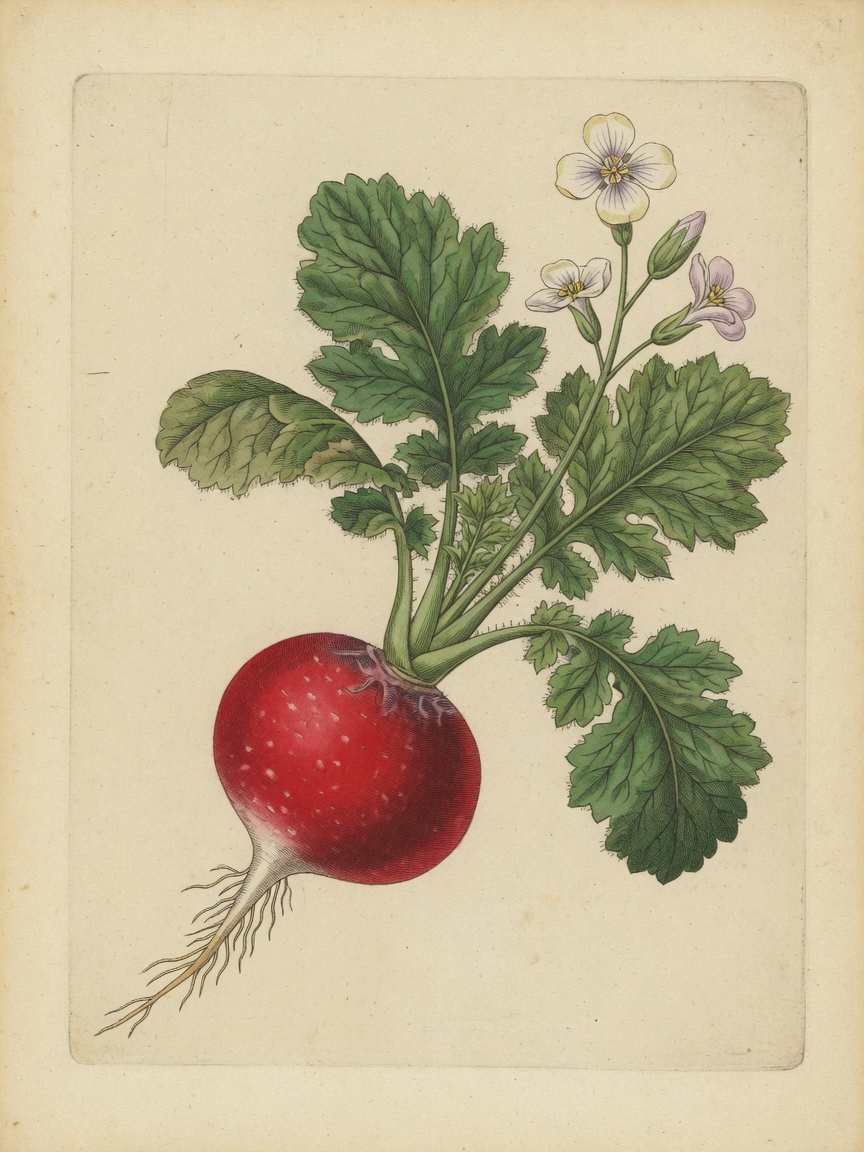
Radish
Raphanus sativus
Print single-sided. Cut on the dashed lines. Glue a back to its front if you want two-sided cards. The drawing is the lesson.
Raphanus sativus
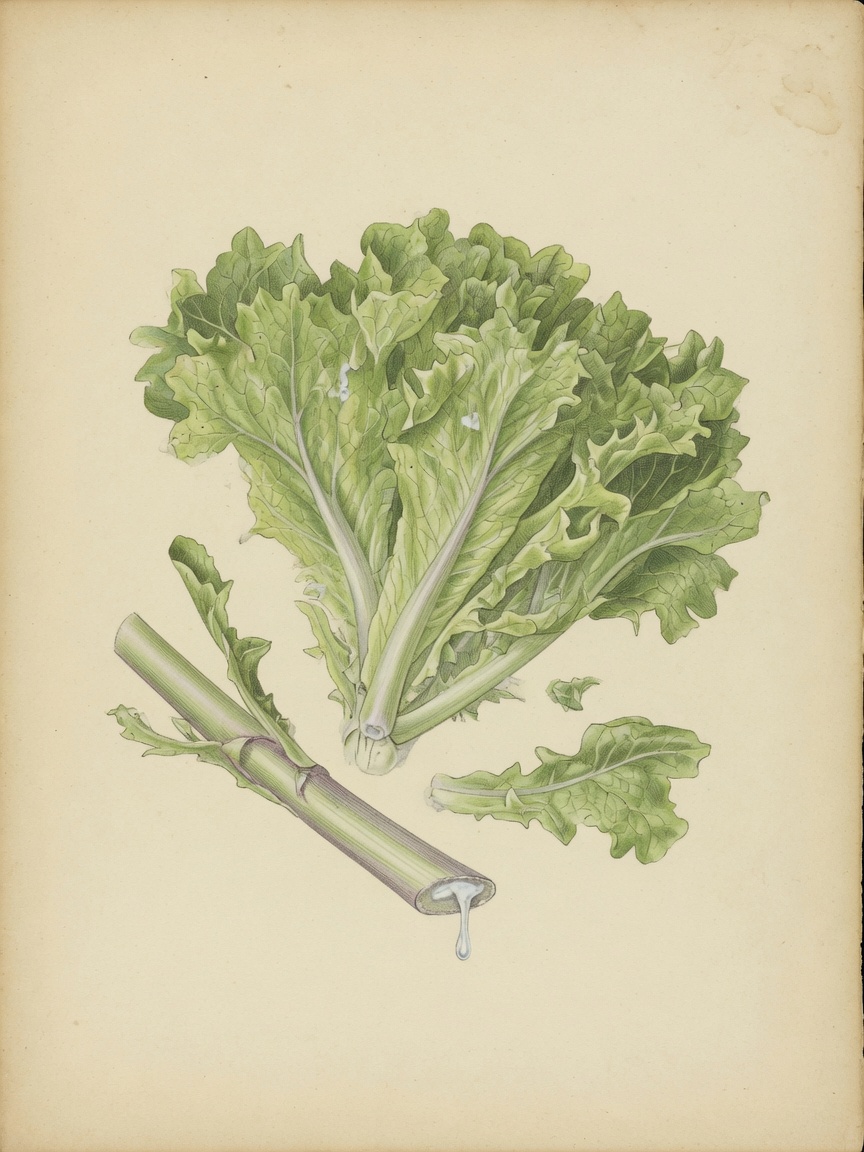
Lactuca sativa
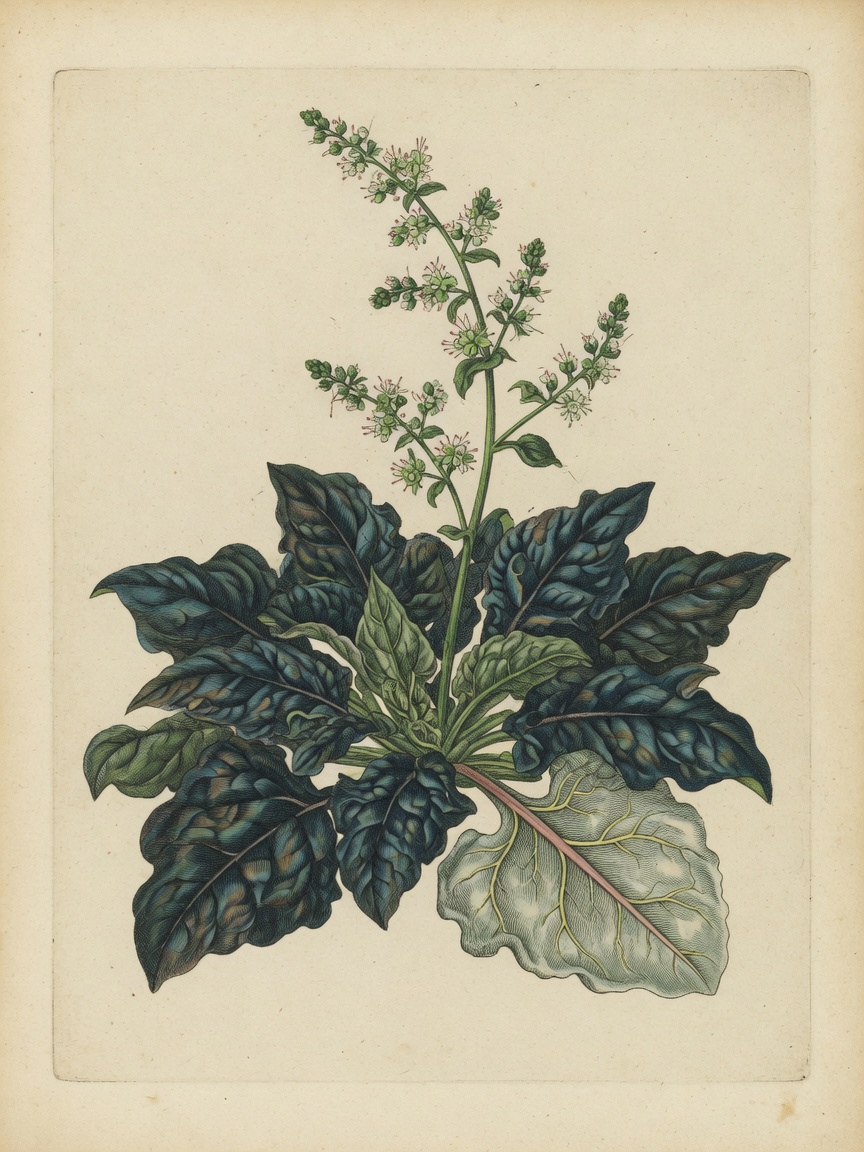
Spinacia oleracea
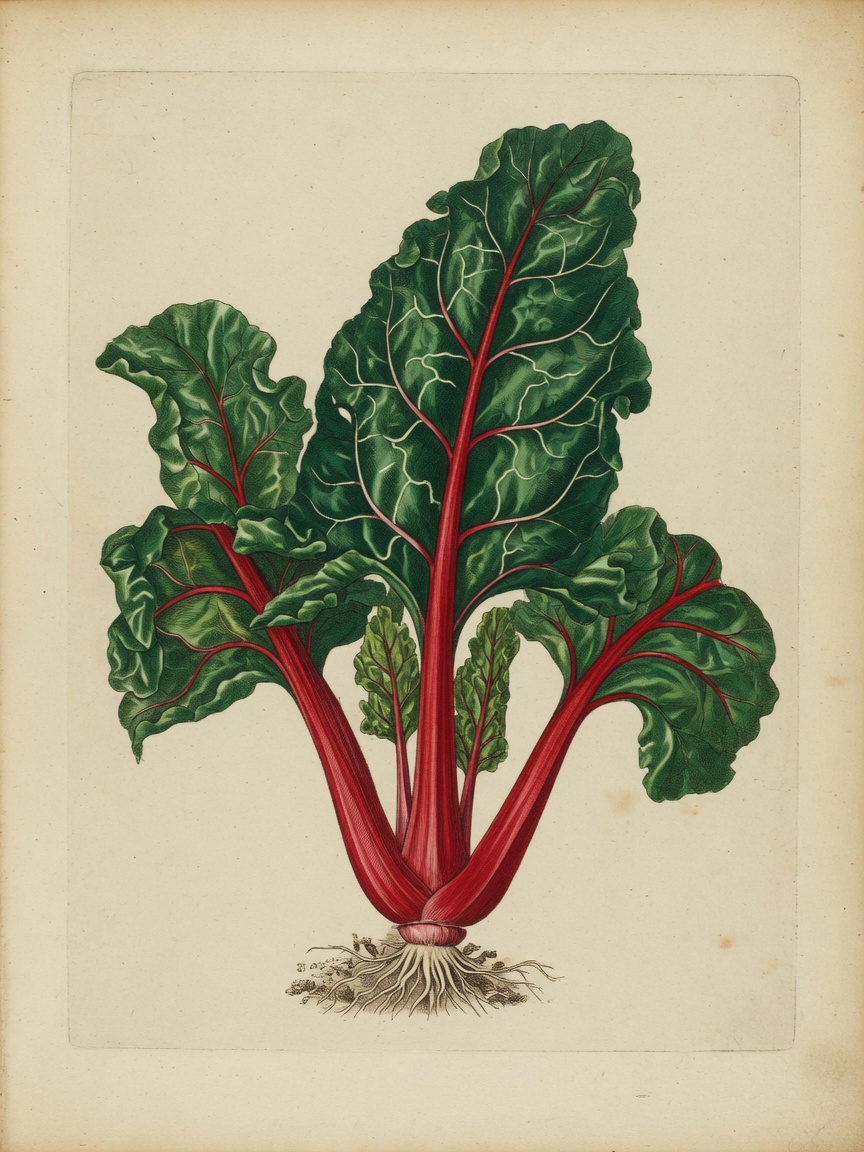
Beta vulgaris subsp. cicla
Raphanus sativus
22–30 days
French Breakfast is the fast one. When the 22–30 day window opens, pick one test radish with an adult. Pull it. If it is woody, you waited. If it is crisp, pull more. That is the decision.
Look for: The shoulders of the radish pushing out of the soil, about as wide as a marble, then a ping-pong ball. Pull one and taste it. If it is woody, you waited.
The round part you eat is mostly a swollen hypocotyl — the stem just under the seed leaves — with a true root as the thin tail.
Lactuca sativa
30–60 days
Snip a salad. Wash. Eat it the same day.
Look for: Leaves as long as your hand. Cut the outer ones with scissors. The center keeps growing.
Lettuce is in the daisy family, with sunflowers and dandelions. When days get long and hot it shoots up a tall stalk and the leaves turn bitter. That is called bolting.
Spinacia oleracea
35–50 days
Cut, wash the grit off, eat.
Look for: Six or more dark green leaves. Cut them. Do not yank the whole plant if you want another round.
Spinach was grown in Persia more than a thousand years before it was common in American kitchens. The leaves hold lutein, which your eyes use.
Beta vulgaris subsp. cicla
50–60 days
Pick the brightest stem for the table.
Look for: Stems in yellow, pink, orange, red. Leaves like a broad paddle. Cut stems at the base.
Rainbow chard and the beet in the grocery bag are the same species, Beta vulgaris. People bred one for leaves and one for the root.
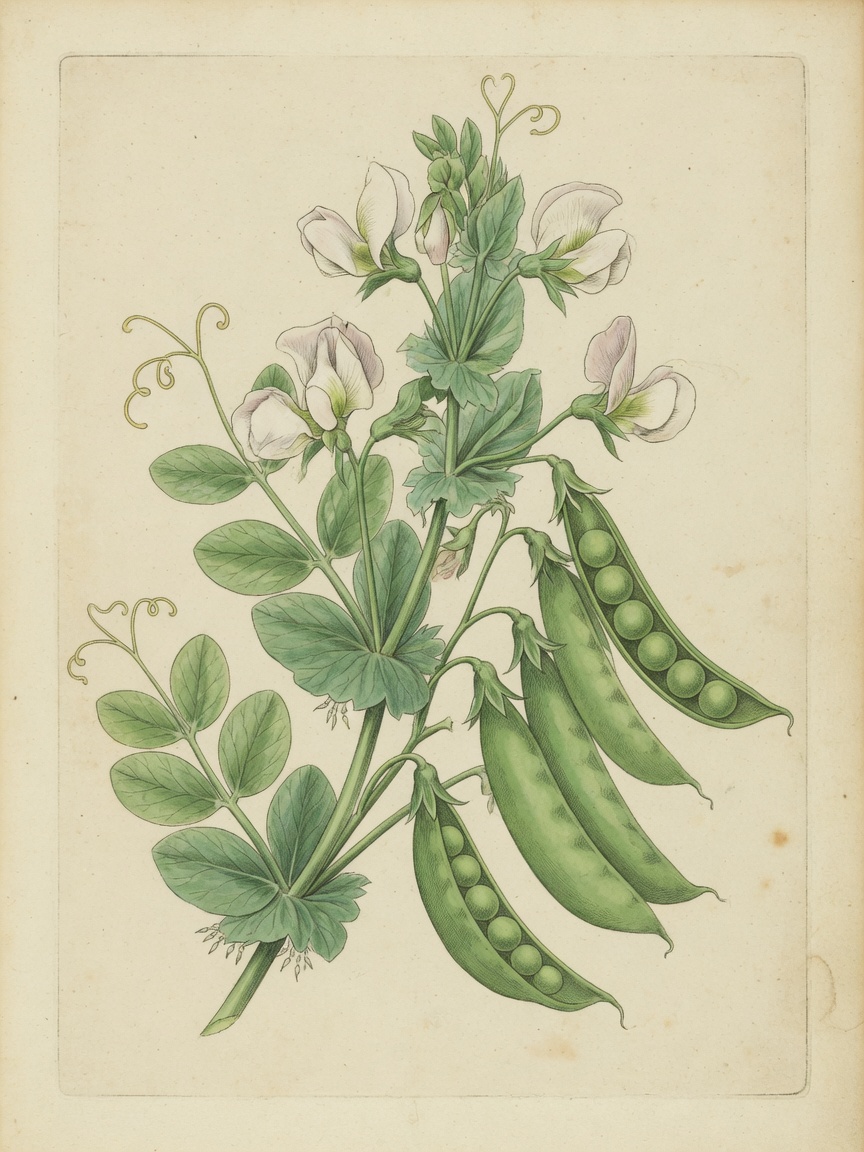
Pisum sativum
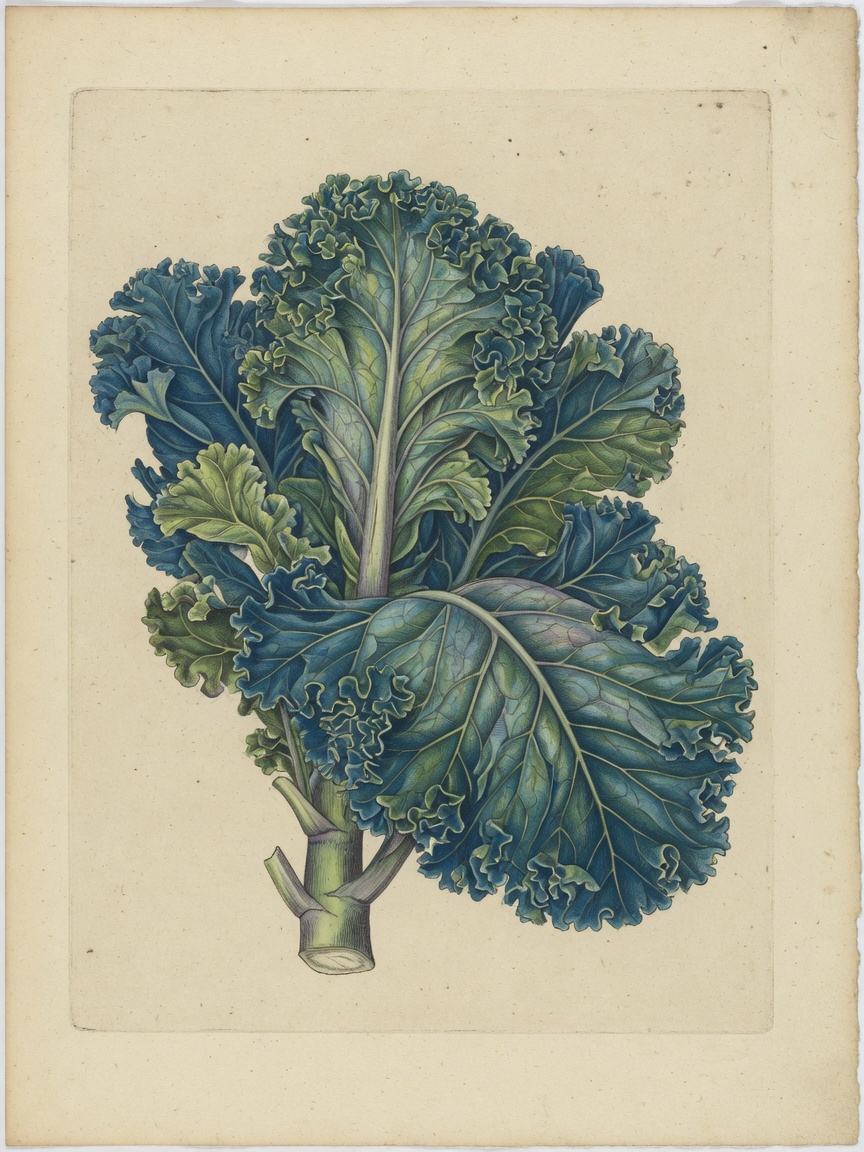
Brassica oleracea
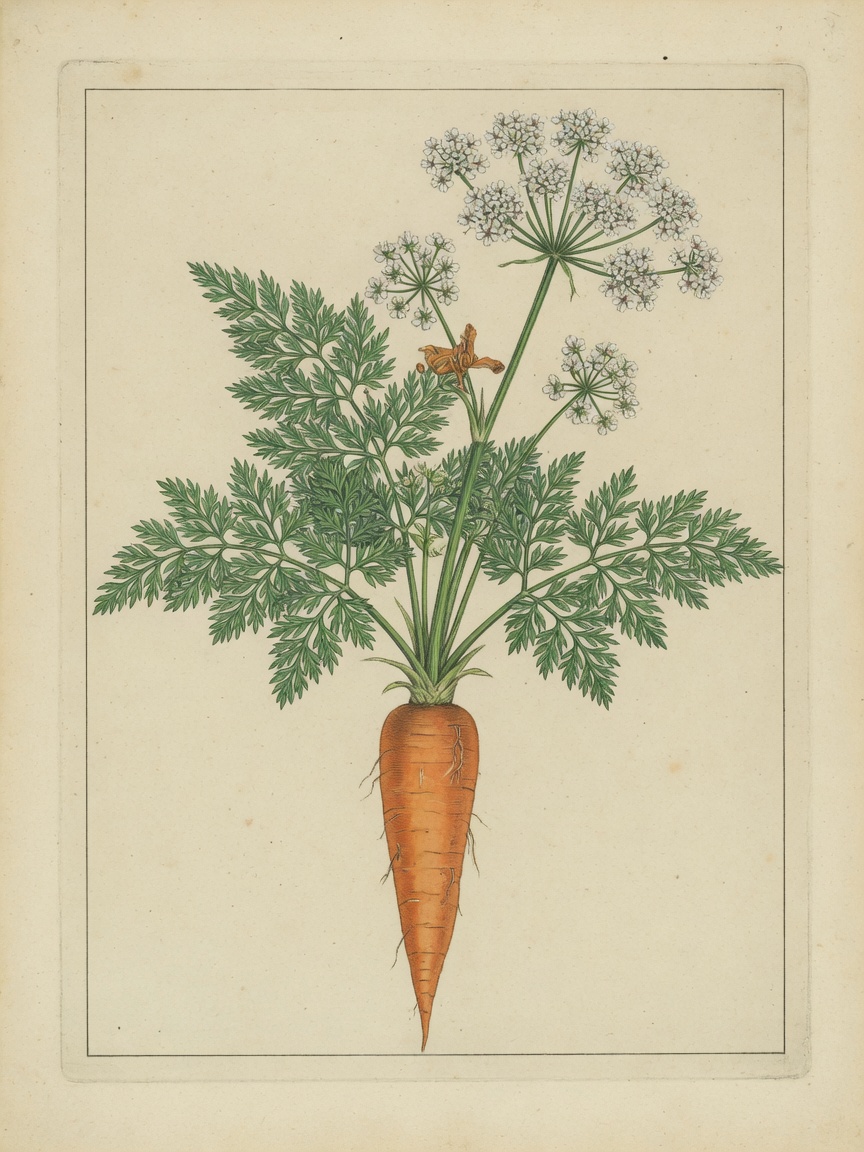
Daucus carota
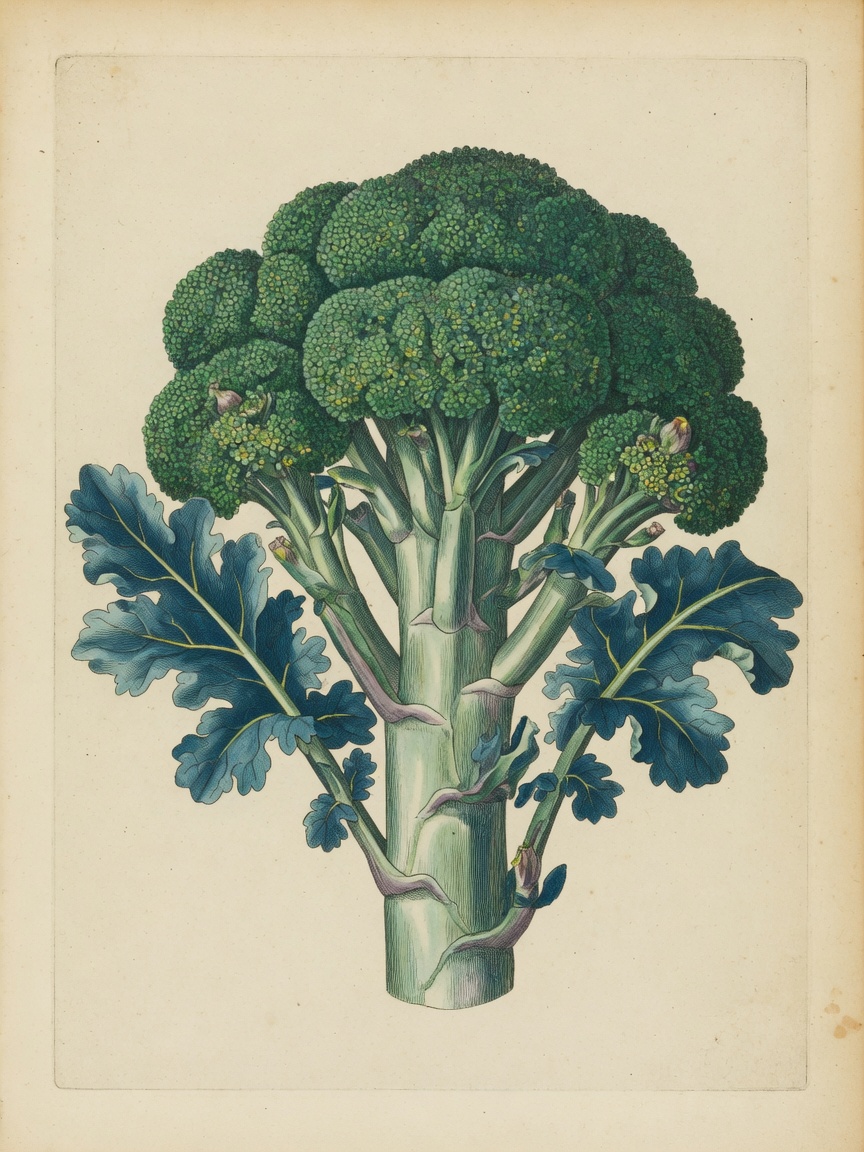
Brassica oleracea var. italica
Pisum sativum
50–70 days
Build the trellis. Pick the pods. Eat some in the garden.
Look for: Pods that are plump and still green. Pick every other day or the plant stops making more.
Peas are legumes. Bacteria living in little knots on the roots take nitrogen from the air and feed the plant — a trick lettuce cannot do.
Brassica oleracea
50–70 days
Pick after a chilly morning. Tear out the tough rib if you want.
Look for: Leaves as long as your hand, still tender. After a cold night they taste sweeter.
Kale, broccoli, cabbage, and cauliflower are the same species, Brassica oleracea. Breeders just made different parts huge.
Daucus carota
55–80 days
Thin them when they are two inches tall so the ones you keep can get fat. That is the hard job. Then pull.
Look for: The crown — where the leaves meet the root — about as thick as your thumb. Pull the biggest one. If the growing tip is orange, it is ready. If it is white, it is still growing.
Garden carrots were white and purple for a long time. The orange ones are a few centuries old, colored by beta-carotene.
Brassica oleracea var. italica
50–80 days
Watch the head. Tell a grown-up when the florets start to loosen. After the main head, smaller side shoots still come.
Look for: A tight green head. When the little buds start to loosen and poke up, cut it. If you wait for yellow flowers, you waited.
A broccoli head is a bunch of unopened flowers. You are eating the buds.